
Smart Home & IoT Devices: Ensuring Compliance with COPPA and FTC Regulations
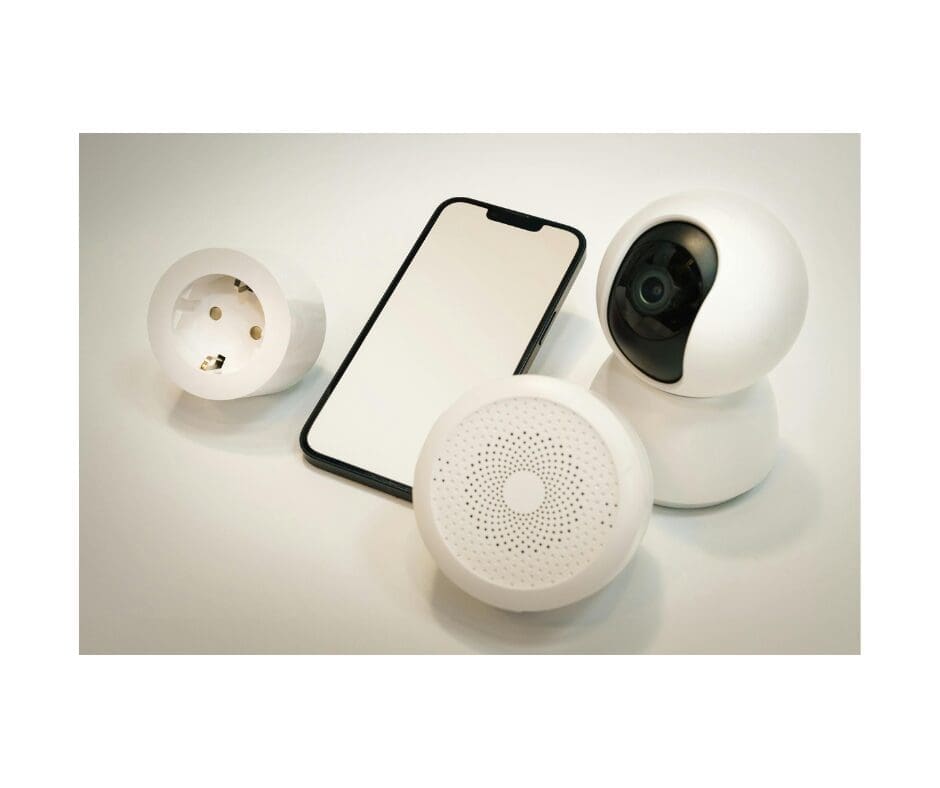
Filed in Federal Privacy — December 6, 2025


Introduction
The rapid adoption of smart home and Internet of Things (IoT) devices — including smart speakers, home assistants, security cameras, connected thermostats, and sensors — has transformed how consumers live, work, and interact with technology. These devices provide convenience, energy efficiency, and automation, but they also collect significant amounts of personal information, including voice recordings, geolocation data, behavioral patterns, and, in some cases, data about children.
For companies designing, selling, or operating these devices, adherence to U.S. federal privacy law is critical. Two key regulations are particularly relevant: the Children’s Online Privacy Protection Act (COPPA) and the Federal Trade Commission Act (FTC Act). COPPA establishes rules for the collection and use of personal information from children under 13, while the FTC Act prohibits unfair or deceptive practices, including misrepresentations about data security or consent practices.
For decision-makers in the smart-home and IoT industry, understanding these laws, integrating privacy-by-design principles, and maintaining ongoing compliance are essential to avoid regulatory penalties, reputational damage, and operational disruption.
Key Legal Requirements for Smart Home & IoT Devices
- Children’s Online Privacy Protection Act (COPPA)
COPPA applies to online services, applications, and devices that collect personal information from children under 13. Requirements include: - Federal Trade Commission Act (FTC Act)
The FTC Act prohibits deceptive or unfair practices, which can include:
- Misrepresenting the level of security or privacy protections offered by devices.
- Failing to disclose that devices collect or transmit personal information.
- Not obtaining parental consent when collecting children’s data.
- Misrepresenting the level of security or privacy protections offered by devices.
- Compliance with the FTC Act requires honesty, transparency, and consistency in privacy notices, data handling, and user communications.
- Additional Best Practices
- Data Minimization: Collect only the information necessary to provide the device’s intended functionality.
- Vendor Oversight: Ensure third-party vendors or cloud services comply with COPPA and FTC obligations.
- Regular Internal Audits: Periodically review data collection, storage, and deletion practices.
- Privacy by Design: Incorporate privacy protections into product development, from hardware design to software updates.
- Data Minimization: Collect only the information necessary to provide the device’s intended functionality.
Detailed Compliance Roadmap for Smart Home & IoT Companies
- Assess Device Scope and Data Collection
- Identify whether your devices collect data from children under 13.
- Map all data flows, including collection, storage, sharing, and deletion.
- Develop Transparent Privacy Notices
- Create parent-friendly disclosures explaining what data is collected, why, and how it is used.
- Include third-party data sharing practices and retention policies.
- Obtain Verifiable Parental Consent
- Use FTC-approved methods to ensure parents authorize data collection before use.
- Document consent records for compliance and auditing purposes.
- Implement Strong Security Measures
- Encrypt data in transit and at rest.
- Limit internal access to sensitive data.
- Require vendors and cloud providers to maintain comparable security standards.
- Enable Data Access, Correction, and Deletion
- Provide user-friendly mechanisms for parents to view and delete their children’s data.
- Monitor compliance and respond promptly to requests.
- Regular Audits and Vendor Oversight
- Conduct internal audits of data collection, processing, and storage.
- Require contractual privacy obligations for all third-party partners.
- Integrate Privacy by Design
- Embed privacy considerations from device design to ongoing product updates.
- Regularly update software and firmware to protect personal data.
- Prepare Incident Response Plans
- Define procedures for addressing data breaches, regulatory inquiries, or user complaints.
- Include remediation, notification, and reporting steps.
Why Partnering with a Privacy Expert Matters
Smart home and IoT companies operate in a highly regulated and rapidly evolving environment. Failing to comply with COPPA or FTC requirements can result in substantial fines, forced operational changes, reputational harm, and loss of consumer trust.
At The Data Privacy Lawyer PLLC, we specialize in U.S. federal privacy law compliance for non-government businesses. We help smart home and IoT companies to:
- Audit devices and platforms for compliance with COPPA and FTC Act requirements.
- Draft privacy policies, parental disclosures, and consent mechanisms.
- Implement secure data handling and vendor oversight.
- Develop incident response, remediation, and reporting procedures.
- Provide staff training on federal privacy obligations and best practices.
Protect your brand and users’ privacy — contact us
The Data Privacy Lawyer PLLC
🌐 www.thedataprivacylawyer.com
📧 info@thedataprivacylawyer.com
📞 +1 (202) 946-5970
📚 Resources
A practical checklist to evaluate and strengthen the foundation of your privacy program—so you’re not caught off guard by gaps, risks, or outdated practices.
When compliance feels overwhelming, it’s easy to freeze or delay action. This checklist helps you cut through the noise, identify what’s missing, and move forward with clarity and confidence. Let’s simplify the complex and get your privacy program into proactive, aligned motion.


